Health improvement rarely depends on an extreme thirty-day challenge. The habits that matter most are ordinary enough to repeat: consistent sleep, regular movement, balanced meals, preventive care and social connection. The goal is not perfection but a pattern that remains workable during busy weeks.
What this guide covers
- Build around sleep and movement
- Make balanced eating easier
- Use tracking without obsession
Build around sleep and movement
A regular sleep and wake time helps the body maintain a stable rhythm. A dark, quiet room and less stimulating screen use before bed can make rest easier. Movement does not need to happen in one long session. Walking, cycling, household activity and brief strength work all contribute. People returning to exercise should increase gradually and choose activities they can sustain. Persistent pain, breathing difficulty or other concerning symptoms deserve professional assessment rather than online experimentation.
Make balanced eating easier
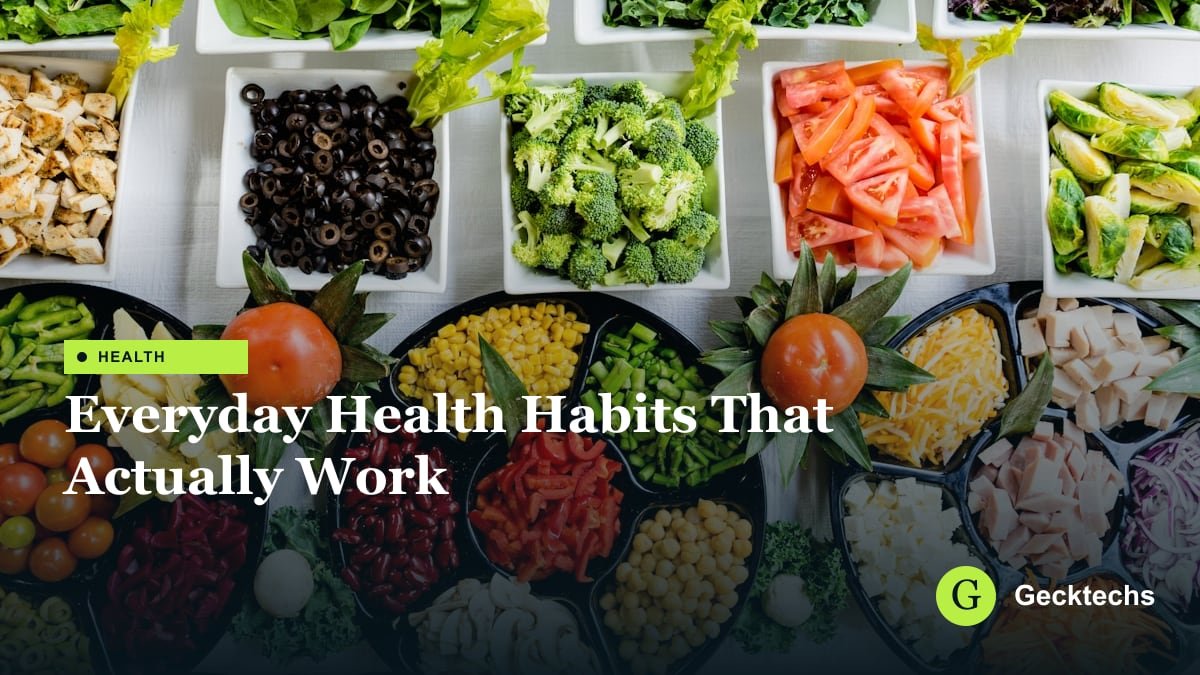
A useful plate includes vegetables or fruit, a suitable protein source, whole grains or other high-fibre carbohydrates and enough water. Indian meals can meet these needs through many regional combinations, from dal and vegetables to eggs, fish, curd, millets and seasonal produce. Planning a few dependable meals reduces reliance on packaged snacks when time is limited. Labels can help compare products, but no single ingredient transforms health. Overall patterns matter more than a fashionable superfood.
Related Gecktechs guide: Continue with Telemedicine in India: How to Choose a Safe Online Consultation.
Use tracking without obsession
A notebook, calendar or wearable can make patterns visible, but the number should serve the person rather than control the day. Track one or two behaviours that connect to a clear goal, such as bedtime consistency or weekly walks. Review trends over several weeks instead of reacting to every fluctuation. Medical measurements from consumer devices are not always diagnostic. Discuss unusual or persistent readings with a qualified clinician and consider the device’s limitations.
The Gecktechs editorial perspective
A realistic, evidence-aware approach to sleep, movement, food and stress that avoids miracle claims and unsustainable routines. Use general information to prepare a better conversation with a qualified professional, not to replace individual care.
Prices, policies, schedules, research and software features can change after publication. Check the date and confirm high-impact details with a current authoritative source before acting.
Explore more reporting in the Health archive, including Smartwatches and Health Data: What the Numbers Really Mean.